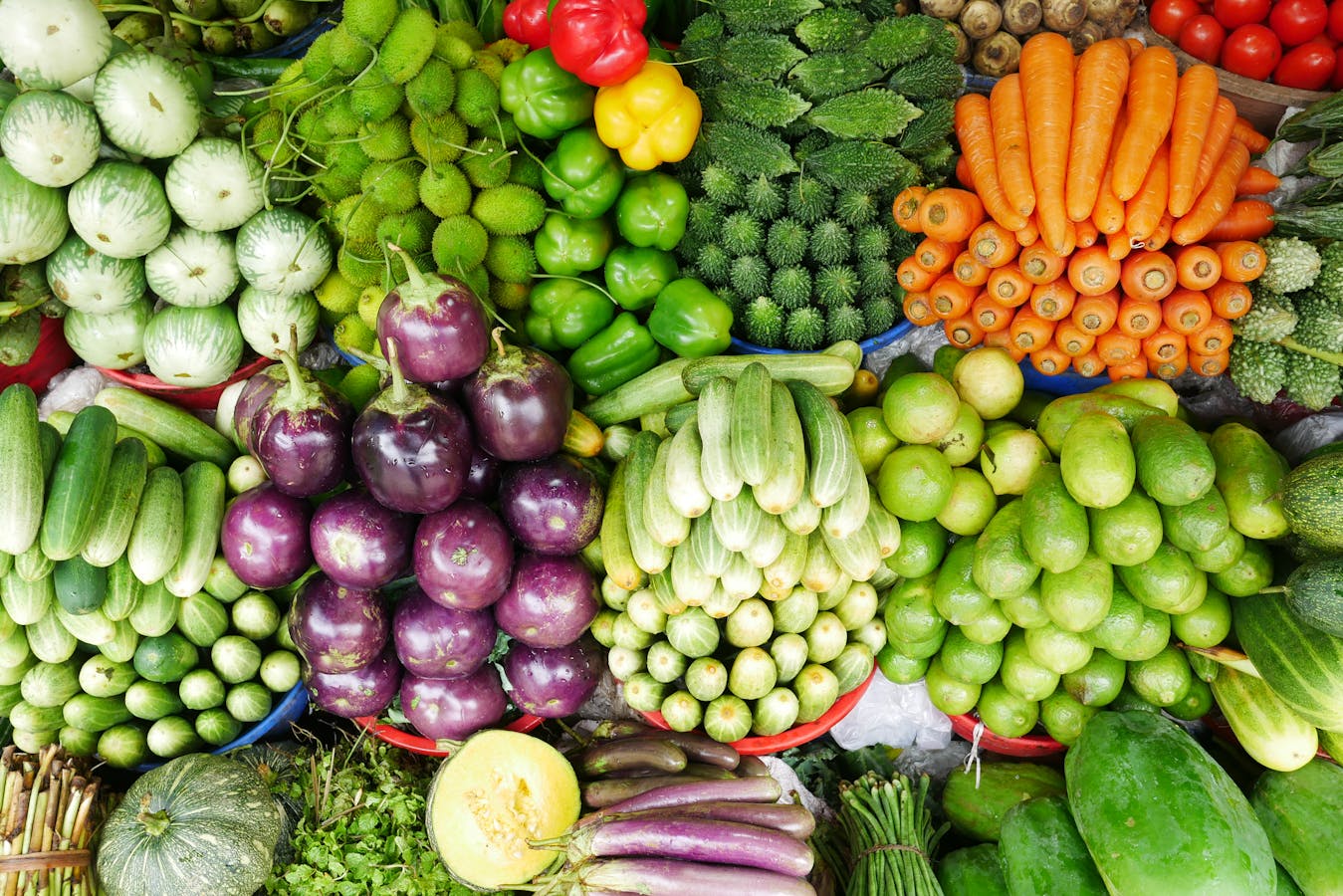
Farmers’ markets have changed dramatically over the past decade. What once served as simple weekend produce stands has now evolved into vibrant community hubs, local food movements, and small business incubators.
Across Dayton, Middletown, and the greater Miami Valley, shoppers are no longer just looking for vegetables. Instead, they are searching for transparency, freshness, sustainability, and connection.
As a local grower at Middletown Microgreens, I’ve seen firsthand how the farmers market experience continues to shift — and why that matters for both customers and small farms.
From Traditional Produce Stands to Local Food Movements
Years ago, most farmers’ markets focused primarily on seasonal fruits and vegetables. While fresh produce remains central, today’s markets offer much more.
Now, you’ll find:
- Local microgreens and specialty crops
- Grass-fed meats and pasture-raised eggs
- Artisan bread and baked goods
- Local honey and handmade products
- Sustainable and organic options
As consumer awareness grows, so does demand for locally grown food in Dayton and Middletown. Shoppers want to know where their food comes from. More importantly, they want to know who grows it.
Why Local Food Matters More Than Ever
Several factors have reshaped the farmers’ market landscape in Ohio.
First, supply chain disruptions during recent years made many consumers realize how dependent grocery stores are on long-distance transportation.
Second, rising interest in health and nutrition has encouraged people to seek fresher, more nutrient-dense foods.
Finally, many residents in the Miami Valley want to support local businesses instead of large national chains.
As a result, farmers’ markets in Dayton and surrounding communities have become places of trust. Customers meet growers face-to-face. They ask questions. They learn about growing practices.
That transparency builds loyalty.
The Rise of Specialty Crops Like Microgreens
Another noticeable shift involves specialty crops.
Instead of focusing only on traditional produce, farmers’ markets now feature items that once felt “gourmet” or restaurant-exclusive. Microgreens are a perfect example.
Because microgreens are harvested young and sold fresh, they fit perfectly within the farmers’ market model. They offer:
- Intense flavor
- Concentrated nutrients
- Quick harvest cycles
- Small-scale urban farm production
For customers in Dayton and Middletown, microgreens provide a modern, nutrient-dense addition to traditional farmers’ market offerings.
Convenience Is Changing the Market Experience
At the same time, convenience plays a growing role.
While farmers’ markets remain popular, many customers now look for flexible purchasing options. Busy families may not always make it to a Saturday morning market.
Therefore, many local farms — including microgreen growers — now offer:
- Pre-orders
- Online shops
- Subscription services
- Local home delivery
This hybrid model combines the trust of farmers’ markets with the convenience of modern e-commerce.
For Dayton and Middletown residents, that means easier access to fresh, locally grown food.
Supporting Small Farms in the Miami Valley
When you shop at a farmers’ market or purchase directly from a local grower, your dollars stay in the community.
You help:
- Strengthen the local economy
- Encourage sustainable farming practices
- Preserve small farm operations
- Build relationships between growers and consumers
In turn, local farms can continue innovating and expanding access to fresh food across Ohio.
What the Future of Farmers’ Markets Looks Like
Looking ahead, farmers’ markets will likely continue evolving.
We can expect:
- More locally grown specialty products
- Greater transparency in farming practices
- Increased focus on sustainability
- Expanded online ordering and delivery options
Ultimately, the heart of the farmers’ market remains the same: community connection.
However, the model continues to adapt to modern lifestyles.
For those of us growing food in Dayton and Middletown, that evolution creates opportunity — not just to sell produce, but to build lasting relationships rooted in freshness and trust.
Fresh, Local, and Community-Driven
Whether you shop at a farmers market in Dayton, visit a stand in Middletown, or order directly from a local grower, you are participating in a growing movement toward transparency and sustainability.
The landscape may be changing, but one thing remains constant:
Local food matters.
And here in the Miami Valley, that movement is only growing.
Latest Blog Posts
Stay informed and inspired with our latest blog posts. Discover insights, tips, and trends across various topics.
-
The Changing Landscape of Farmers Markets
Farmers’ markets have changed dramatically over the past decade. What once served as simple weekend…

No responses yet